Explore Era Pickleball Outdoor Court Locations Today
A few years into the Era Pickleball wave, outdoor courts have become more than a place to hit the ball back and forth. They’re social hubs, training grounds, and a window into how a brand can cultivate a sport with real grit and routine. If you’re one of the many players who spends weekends chasing the best outdoor surfaces, shade that can keep you dry, and a friendly crowd that pushes you to the next level, this article will help you navigate the current landscape. It blends practical experience with the kind of on-the-ground detail you only get from chasing courts, checking calendars, and talking to club organizers after a sunset session.
The outdoor court scene is evolving quickly. When the sun dips and the lights kick on, every Era Pickleball facility tends to reveal a slightly different character. Some sites sit in a tightly clustered town center, where the courts feel like a small-town amenity you stumble onto while grabbing coffee. Others are nestled beside park trails, inviting a longer pregame warmup and a postgame cool down along a shaded path. What remains constant is the discipline behind maintaining quality surfaces, the consistency of the nets and lines, and the way staff treat players as part of a broader pickleball ecosystem rather than as casual drop-ins.
If you’ve been searching for an Era Pickleball outdoor court location, you’re likely balancing several priorities: distance from home or work, availability and hours, the vibe of the facility, and the chance to join others for clinics, leagues, or casual matchups. The good news is that Era Pickleball has positioned itself with a network that makes it easier to find a court near you, while also offering options to join leagues or lessons that fit into a busy week. The challenge is discerning which site actually suits your current goals, whether that means sharpening a specific shot, building a regular practice cadence, or simply enjoying a few hours outside without fighting through crowds.
What matters most about outdoor courts goes beyond the surface. You’ll notice the feel of the court itself, how well it drains after a light rain, the consistency of the bounce, and even the level of sun exposure during a midafternoon session. These details matter because they influence how you train, how you pace yourself, and how quickly you recover after a session. On a dry spring morning, a well-maintained outdoor court rewards precise footwork, clean contact, and smart shot selection. After a sudden shower, a court with good drainage saves you from slipping and from wasting practice time. And as the season progresses, the crowd and the playing rhythm at different sites give you a sense of how adaptable you need to be to stay sharp.
Finding Era Pickleball outdoor court locations today is less about rummaging through scattered notices and more about engaging with the ecosystem. Most sites publish schedules and court availability in real time on their own pages, while the Era Pickleball network often coordinates events, clinics, and social play that can fill gaps between open play times. The practical upshot is simple: if you know where to look and you’re strategic about when you show up, you can carve out consistent outdoor practice even in peak season.
A quick word about indoor options, too. Indoor pickleball courts offered by Era Pickleball have their own advantages. Controlled climate, more predictable bounce, and the security of year-round access make them ideal for technique work and cross-training during colder months. But outdoor courts carry a different energy—the sun on your shoulders, the wind changing the flight of the ball, and the sense of community that tends to emerge around a bright court in a city park. If your aim is to blend both experiences, you’ll appreciate how outdoor play hones your adaptability while indoor play sharpens your fundamentals under consistent conditions.
Experience and routine matter as much as location when you’re evaluating outdoor court options. I’ve spent many evenings driving across town to reach an Era Pickleball outdoor court that’s just out of the usual loop, only to find that the best practice partner is the one who lives two blocks away and shows up regularly at a specific time. The real edge comes from combining a dependable routine with a willingness to switch venues when the schedule demands it. Over the years, I’ve learned to map out a few “home circles” and then keep a couple of backup courts in mind for weeks when weather or life gets in the way of the usual rhythm.
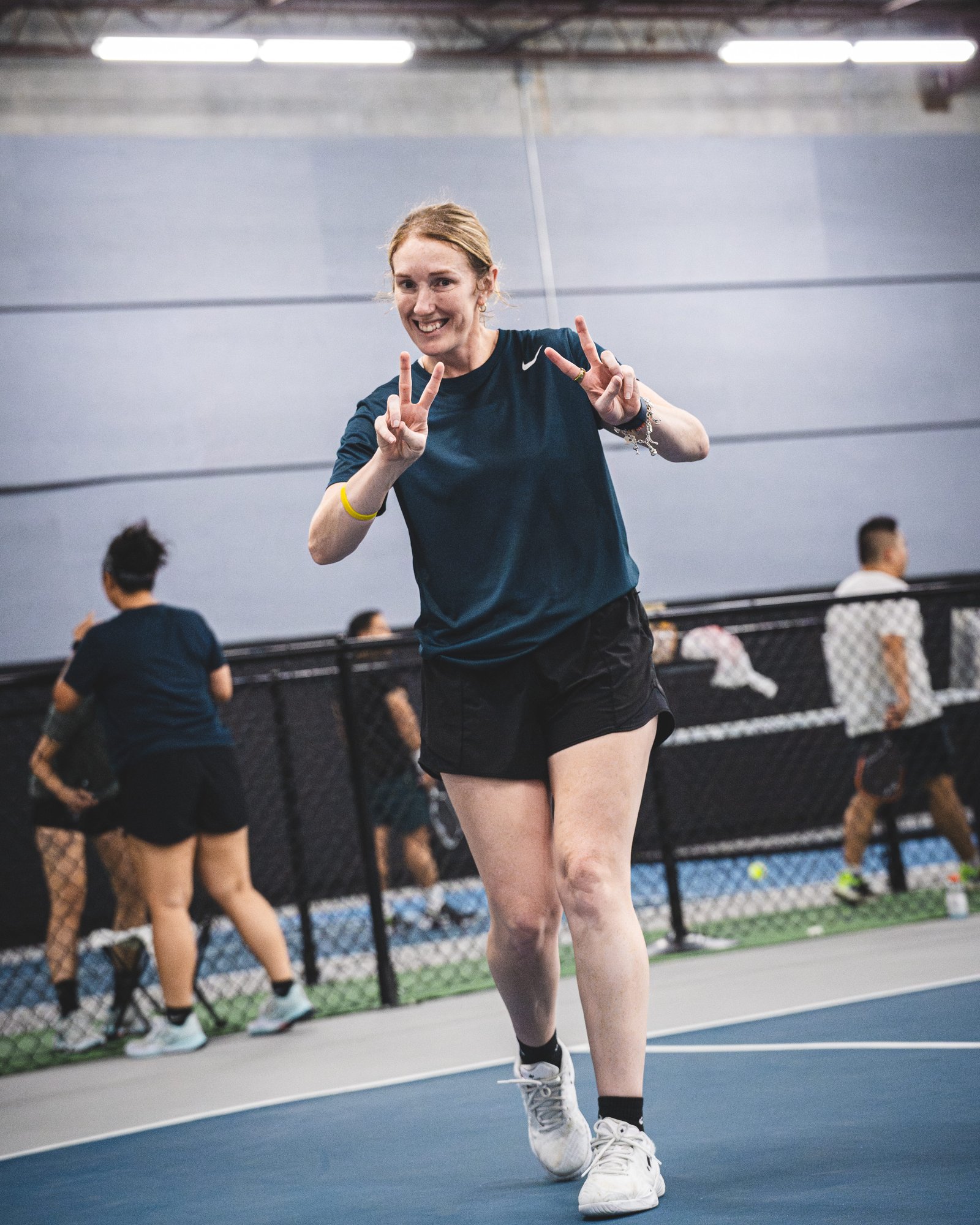
Court surfaces are not all identical, even within the Era Pickleball network. Some outdoor courts use a hard surface with a smooth, almost lacquered finish that offers a brisk pace and clear bounce. Others lean toward cushier, more forgiving materials that feel softer underfoot but may demand a touch more footwork to stay consistent on long rallies. The differences might sound technical, yet they translate into tangible practice results. If you’re trying to work on a particular skill, like driving or dinking, the surface can either magnify your strength or show you where your technique needs refinement.
When you’re scouting outdoor locations, here are practical considerations that split the good sites from the great ones:
- Court layout and visibility: A well-spaced set of courts gives you room to move and minimizes accidental interference when you’re in the middle of a point. Lighting matters for evening sessions; you want even coverage without glare that strains your eyes during extended rallies.
- Noise and neighborliness: Outdoor courts are community spaces. The best sites balance casual play with organized events, offering you the chance to watch skilled players while still being able to jump in when a spare court becomes available.
- Shade and weather readiness: A mature tree line or covered seating area is more than comfort; it affects your stamina and how long you can stay on the court in late afternoon sun. Drainage matters after a rain. The last thing you want is a slick surface that forces you to pause practice to wait for water to recede.
- Amenities and logistics: Proximity to parking, restrooms, water stations, and safe routes for your drive or bike ride is not icing. It’s the practical backbone of a reliable practice routine. If you’re lugging paddles and balls, a well-run facility will also have a place to secure gear and quick check-ins for league play.
- Programming and culture: Some sites emphasize clinics, round-robins, or organized leagues. Others lean toward open play with a friendly, low-stakes vibe. If you’re building a consistent schedule around a particular program, it helps to pick a site that aligns with your goals and has regular events you can join.
From a practical perspective, the best way to gauge a site is to visit during a typical time you’d practice. If you’re free in the early morning, check what the morning crowd looks like and whether the courts stay consistently available. If you’re more of an after-work player, observe how the court fills, how quick you can get a three to four game sequence in, and whether staff rotate players through available slots so you’re not waiting for long stretches.
There are trade-offs to consider when choosing outdoor courts in the Era Pickleball network. If your priority is temperature stability and predictable bounce, you might gravitate toward sites with modern resurfacing and robust shade structures. If your aim is community and social play, you may favor courts in parks that host regular clinics or social mixers. In my experience, the best approach is to rotate among a few trusted venues, keeping one or two primary sites as anchors while you use others to break up your routine and broaden your social circle. This approach has helped me stay motivated through seasonal changes and keep my technical focus sharp even when a single court becomes crowded or unavailable.
What makes a good outdoor court experience also hinges on the people you encounter there. Era Pickleball, like many growing sports networks, evolves as more players bring their own routines and expectations to the courts. A well-run site tends to have a simple check-in process, friendly staff who know the players, and a schedule that makes it easy to join a game without chasing down a dozen people to confirm a lineup. The best moments often arrive when you walk onto a court and find two others who share a similar learning curve—someone who can push you on your backhand drive, a partner who can steady the pace during a long rally, or a local who can point you to the quickest route to the next clinic.
Seasonality plays a big role in outdoor court access. In late spring and early fall, you might find longer daylight hours, allowing more practice time after work. In summer, the heat can be intense, so you’ll want to plan hydrated sessions beginning early and wrapping before the sun peaks. In winter, even with mild climates, some venues reduce outdoor availability or switch to limited-time slots. A practical approach is to join two or three sites with complementary schedules. That way you can always find an outdoor window that fits your training needs, even if one venue goes dark for a month for maintenance or weather-related closures.
If you’re new to Era Pickleball, here are a few real-world tips that help you make the most of outdoor court access:
- Learn the routine: Pick a primary court that becomes your go-to and learn the regular open play times. A consistent home base makes it easier to bring a friend, compare progress, and calibrate your practice against a stable environment.
- Track your stats on the go: Keep a simple log of what you worked on, how your serves landed, and where your footwork broke down during rallies. The act of noting progress, even briefly, helps you stay focused in the moment and gives you a clear picture after several sessions.
- Bring the essentials: A compact bag with extra grips, a spare paddle, a towel, and a small bottle or two of water goes a long way. If you’re going to a court where lighting is not ideal, consider a headlamp for the last hour of play.
- Respect the crowd: Outdoor courts thrive on positive energy and courtesy. If you’re waiting for a slot, offer to fetch water or help with setup, and be ready to adapt to the flow of open play. A small gesture, like offering to spot a partner during a difficult shot, goes a long way toward building a supportive community.
- Plan for safety: The ground can be uneven in some public venues. Wear appropriate footwear, keep an eye on cables or benches that border the court, and be mindful of other park users. A few minutes of warm-up and a quick check of the surface can prevent ankle twists and other injuries.
To give you a clearer picture of the practical realities, here are two concise checklists that can help you navigate when you’re deciding where to practice. They’re designed to be quick references you can pull up on your phone between drives or on your way to the park.
- What to confirm before you head out
- Current court availability for the time you want to practice
- Whether the site has lights for evening sessions
- Drainage status after recent rain
- Availability of water and restrooms
- Any scheduled events that might affect open play
- How to prepare for a disciplined outdoor session
- Bring an extra paddle in case of mid-game equipment issues
- Pack a compact towel and a water bottle
- Wear breathable weather-appropriate clothing and supportive footwear
- Arrive early for a short warm-up and routine stretch
- Have a plan for a shorter or longer practice block depending on the crowd
As you experiment with different sites, you’ll start to notice the subtle rhythms that separate a good outdoor practice from a great one. A great session is not just about the ball you strike cleanly; it’s about the quality of your decision making under fatigue, the pace you set for yourself, and the way you move through the court to conserve energy for the late rally. Outdoor play demands a patient, strategic mindset because the environment itself is an active variable. Wind gusts can push a drive wide, a sunny angle can alter the perceived speed of the ball, and surface texture can shift your timing. The better you align with those realities, the more your improvements will transfer to any setting.
One of the most meaningful ways to deepen your outdoor play is to integrate structured practice within the context of the Era Pickleball community. Clinics, social mix-ins, and leagues are not merely opportunities to win a few matches; they’re designed to create a feedback loop where you observe, execute, and adjust in a social setting that mirrors real competition. The advantages are practical:
- You gain access to trusted coaching on a regular cadence, which accelerates skill development.
- You build routines that keep you returning to the court, so improvement becomes consistent rather than episodic.
- You meet partners with a similar level and a healthy competitive spirit, which can push you to reach higher levels of consistency.
- You learn strategies from peers who see court dynamics differently, which broadens your tactical understanding.
- You understand the etiquette and norms of the Era Pickleball ecosystem, reducing friction during crowded hours and long match sequences.
The broader takeaway is this: outdoor court access in the Era Pickleball network is at its strongest when you treat it as a living part of your training plan, not a one-off activity. It’s a space where little daily investments—showing up on time, bringing the right gear, and engaging with the community—compound into meaningful skill growth over weeks and months. My own schedule has benefited from this approach: I carved out a fixed outdoor block twice weekly for a three-month stretch, then alternated between outdoor sessions and indoor practice as weather shifted. The result was steadier ball control, improved serve consistency, pickleball courts near me and fewer injuries during longer, crowded games.
If you’re contemplating your next steps, start with two concrete moves that align with what Era Pickleball offers today:
- Visit a nearby outdoor site during a typical practice slot to gauge crowd density, surface conditions, and the vibe of the staff and regulars. Take notes on accessibility, lighting, and drainage. This will inform your longer-term planning and help you pick anchor sites for your routine.
- Sign up for at least one clinic or league within the Era Pickleball network in the next 60 days. The experience compounds quickly as you get immediate feedback from pros or more seasoned players, while also introducing you to people you’ll likely practice with again.
Over time, you’ll find that the most satisfying outdoor court experiences come from a blend of reliable access and a culture that respects the sport. The Era Pickleball outdoor court locations today reflect a broader movement toward accessible, local, and communal spaces where players can train with intention and enjoy the social dimension that makes pickleball feel less like a solitary sport and more like a shared pursuit. It’s about showing up, doing the work, and letting the court teach you what you need to know.

To tie these ideas together, a few last thoughts from my own practice routine:
- Consistency beats intensity when it comes to outdoor play. A steady three to four sessions per week, even if some are shorter, beats a sporadic, longer session that leaves you feeling off for days.
- The best courts are not the ones with the most spectators but the ones with the best energy. A supportive crowd, cooperative partners, and a friendly staff can convert a routine practice into a small daily celebration.
- Don’t underestimate the power of a deliberate cooldown. Five minutes of light movement after you finish, plus a quick stretch for hips and shoulders, makes a noticeable difference in next-day performance.
As you begin to explore Era Pickleball outdoor court locations today, remember that your path forward is not about chasing the most glamorous site or the newest facility. It’s about building a dependable routine that aligns with your personal goals, your schedule, and your willingness to engage with the community. The more you invest in your outdoor practice, the more advantages you’ll notice in your technique, endurance, and confidence on the court. The outdoor courts are not simply a backdrop to the game. They are a living part of your development as a player, a place where you can test ideas, practice under real conditions, and connect with others who share your commitment to improvement.
If you’re wondering how to begin the search for Era Pickleball outdoor court locations near you, a practical first step is to check the official Era Pickleball site and any associated pages that list outdoor court options. You’ll often find schedules, contact information, and notes about upcoming events that can help you plan a first visit with minimal friction. And if you’re hungry for a more connected experience, look for clinics or leagues in your area that run through Era Pickleball or its partner networks. These events are designed to meet you where you are, with a structure that makes it easier to move forward in your development rather than simply chasing the next available court.
In the end, your outdoor practice realities are a function of three things: the quality of the court, the strength of the community around it, and your own commitment to showing up with a clear plan. When you align those elements, you’ll find that the Era Pickleball outdoor court locations today are not just places to play. They are places to grow. They are spaces where a routine becomes a habit, and a habit becomes progress you can feel in your hands, in your legs, and in the way you move around the court in ways you might not have imagined when you started.
Ends · ZIONRIVZ956